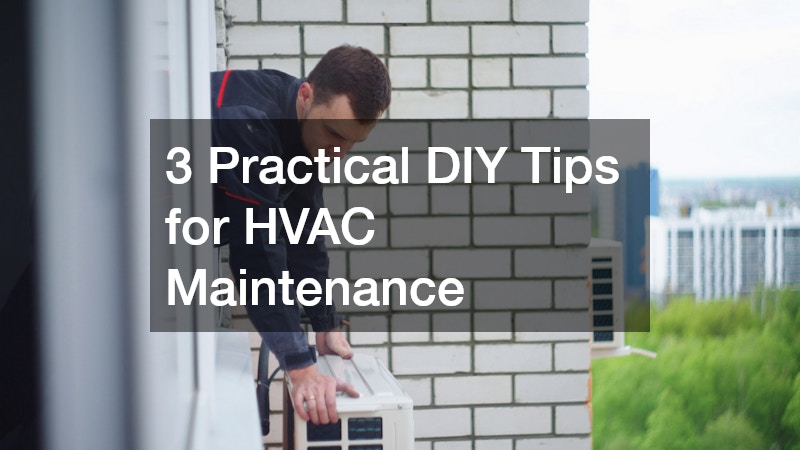
Maintaining your HVAC system is essential for keeping your home comfortable, energy-efficient, and free from costly repairs. While professional inspections are recommended annually, there are several simple steps homeowners can take themselves to extend the life of their heating and cooling systems and ensure they run smoothly year-round. Implementing a few practical DIY maintenance tasks can improve airflow, reduce energy bills, and prevent minor issues from turning into major problems. Here are three actionable tips that every homeowner should know.
Clean or Replace Air Filters Regularly
One of the simplest yet most effective ways to keep your home’s heating and cooling system running smoothly is by regularly cleaning or replacing the air filters. These filters play a crucial role in trapping dust, pollen, pet hair, and other airborne particles, preventing them from circulating through your ducts and entering living spaces.
When filters become clogged, airflow is restricted, causing your climate control system to work harder than necessary. This extra strain not only increases energy usage but also accelerates wear on key components, potentially leading to costly repairs or a shorter system lifespan.
For most households, checking the air filter once a month is usually enough to maintain optimal performance. Homes with pets, smokers, or higher dust levels may require more frequent inspections to ensure filters are functioning properly. Replacing disposable filters is a straightforward process: remove the old filter, insert a new one in the correct orientation, and make sure it sits snugly in its slot. For systems with reusable filters, rinsing them with water, letting them dry completely, and reinstalling them is all that’s needed.
Keep Vents and Coils Free from Dust and Debris
Another essential aspect of DIY maintenance for your home’s heating and cooling system is keeping vents and coils clean. Over time, dust, pet hair, pollen, and other debris can build up on the coils and inside ductwork, restricting airflow and reducing the overall efficiency of your climate control unit. Blocked or dirty vents can cause uneven temperatures throughout your home, while neglected coils force the system to work harder, increasing the likelihood of mechanical issues or premature component failure. Regular cleaning prevents these problems and helps maintain consistent comfort throughout your living spaces.
Begin by vacuuming all accessible vents and registers, paying particular attention to areas where dust tends to accumulate. A long, flexible brush or a specialized vacuum attachment can reach deeper into ducts to remove particles that are not easily visible. Afterward, inspect the evaporator and condenser coils, which are responsible for transferring heat and enabling your system to warm or cool your home efficiently. Using a soft brush, coil cleaner, or low-pressure air, gently remove dust and debris without bending or damaging the delicate fins.
Inspect and Maintain the Thermostat
Your thermostat is a key component in managing the performance of your home’s heating and cooling system, and taking proper care of it can prevent inefficiencies that affect both comfort and energy costs. Begin by making sure the thermostat is level, clean, and free of dust or debris that could interfere with its sensors. If your unit has a digital interface, check that the display is functioning properly and replace batteries when necessary. A poorly maintained thermostat can cause the climate control unit to cycle on and off at inappropriate times, leading to uneven temperatures, wasted energy, and additional wear on internal components.
For those with programmable or smart thermostats, it’s important to review and adjust settings periodically to account for seasonal temperature changes and evolving daily routines. Many smart models provide detailed insights into energy usage, track system performance, and even send alerts when maintenance is needed, helping homeowners identify potential problems before they escalate. Additionally, keeping the thermostat away from direct sunlight, drafts, or heat-producing appliances ensures more accurate temperature readings. Consistent care and calibration of your thermostat allow your heating and cooling system to respond precisely to your home’s comfort needs, reduce unnecessary energy consumption, and prolong the lifespan of your equipment, all while maintaining a stable and comfortable indoor environment year-round.
DIY HVAC maintenance may seem intimidating at first, but it can be straightforward and highly rewarding when approached systematically. Regularly cleaning or replacing air filters, keeping vents and coils free of debris, and inspecting your thermostat are practical steps that can improve system performance, reduce energy costs, and extend the life of your equipment. While these tips do not replace professional inspections and servicing, they empower homeowners to take control of their comfort and protect their investment. Incorporating these tasks into a routine maintenance schedule ensures that your HVAC system continues to operate efficiently year-round, providing consistent comfort for your home.