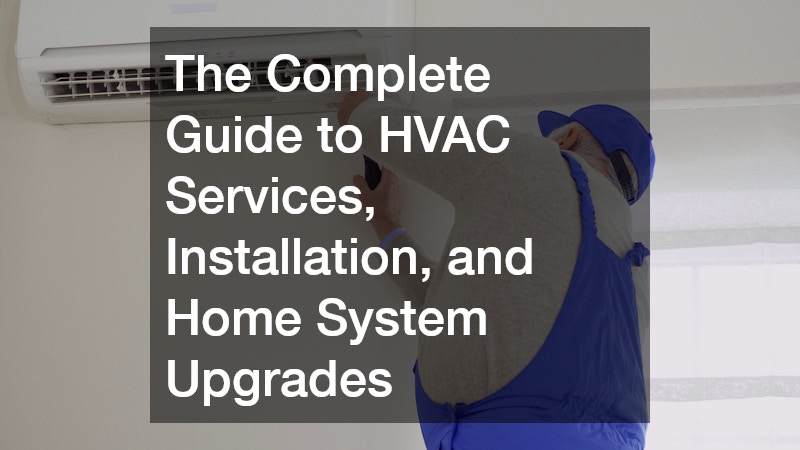
Owning a home today means managing far more than just aesthetics and basic upkeep. Behind the walls, ceilings, and floors is a network of systems working together to keep your home comfortable, efficient, and safe. Heating, cooling, insulation, electrical infrastructure, and even windows all play a role in how well your home performs day to day.
Many homeowners take a reactive approach, waiting until something breaks before taking action. Unfortunately, this often leads to rushed decisions, higher costs, and unnecessary stress. A failing system rarely happens overnight. There are usually warning signs, missed opportunities for maintenance, and chances to upgrade more strategically.
This guide is designed to help you take control of your home’s performance. Whether you’re planning upgrades, dealing with aging systems, or simply trying to avoid costly surprises, you’ll find practical advice to make smarter decisions. From understanding how systems work together to choosing the right professionals, this is a roadmap for improving comfort, efficiency, and long-term value.
How to Build a Smart Plan for Year-Round Care

A well-functioning home doesn’t happen by accident. It’s the result of consistent attention, smart planning, and a willingness to stay ahead of problems instead of reacting to them. Your heating and cooling systems are constantly working in the background, adjusting to changing temperatures, filtering air, and maintaining comfort. Without regular HVAC maintenance and a clear understanding of how these systems operate, small inefficiencies can quietly build into larger, more expensive issues over time.
Taking a proactive approach means treating your home more like a system than a collection of separate parts. Your HVAC equipment, insulation, windows, and even your electrical setup all influence one another. If one component underperforms, it forces the others to work harder. For example, a clogged filter or poorly maintained unit can restrict airflow, causing your system to run longer cycles, use more energy, and experience unnecessary wear and tear. Over time, this doesn’t just impact your comfort; it shortens the lifespan of your equipment and increases your utility bills.
Consistent oversight also helps you recognize patterns before they become problems. Subtle changes like uneven temperatures between rooms, slightly higher energy bills, or new sounds coming from your system are often early warning signs. When you’re paying attention, you can address these issues quickly and affordably instead of waiting until they escalate into full system failures.
Why preventative care matters
Regular upkeep can:
- Extend the life of your system by several years
- Reduce energy bills by improving efficiency
- Prevent small issues from becoming expensive emergencies
- Improve indoor air quality
Skipping routine care might save money in the short term, but it often leads to higher repair costs and premature system replacement.
What a seasonal plan should include
A reliable schedule typically includes:
Spring (Cooling Prep):
- Clean condenser coils
- Check refrigerant levels
- Inspect thermostat performance
Fall (Heating Prep):
- Replace filters
- Inspect burners and heat exchangers
- Test system startup
What you can do vs. what you shouldn’t
Homeowner-friendly tasks:
- Replacing air filters regularly
- Keeping outdoor units clear of debris
- Monitoring unusual noises or smells
Leave to professionals:
- Electrical diagnostics
- Refrigerant handling
- Internal component inspections
Choosing the right provider
Not all HVAC services are equal. Look for:
- Proper licensing and insurance
- Transparent pricing
- Clear maintenance plans
- Strong local reviews
A good provider will help you build a long-term plan rather than just fixing problems as they arise. Ultimately, the goal isn’t just to avoid breakdowns. It’s to create a home environment that runs smoothly, efficiently, and predictably in every season. With regular care and a proactive mindset, your systems don’t just last longer; they perform better, giving you greater comfort, lower costs, and fewer surprises throughout the year.
What to Know Before Scheduling a New Cooling System
Installing a new system is a major investment, and making the right decisions up front can save you years of frustration, unexpected costs, and ongoing performance issues. Unlike smaller home upgrades, this isn’t something you want to revisit every few years. The choices you make during the planning and installation phase will directly impact how your home feels, how much you spend on energy, and how often you deal with repairs over the next decade or more.
One of the biggest misconceptions homeowners have is that all systems perform roughly the same and that the brand or price is the most important factor. In reality, the installation process, system sizing, and overall design matter just as much, if not more. A high-end system installed incorrectly will often underperform compared to a mid-range system that’s properly sized and thoughtfully integrated into your home.
Do you really need a new system?
Before jumping into air conditioning installation, evaluate:
- System age (typically 10–15 years lifespan)
- Repair frequency
- Inconsistent cooling
- Rising energy bills
Sometimes, a repair or efficiency upgrade is enough. Other times, replacement is the smarter long-term move.
The importance of proper sizing
A system that’s too large or too small can cause:
- Uneven temperatures
- Increased wear and tear
- Higher utility costs
Professionals should perform a load calculation based on your home’s size, insulation, and layout. If they don’t, that’s a red flag.
Choosing the right type of system
Options include:
- Central air systems for whole-home cooling
- Ductless mini-splits for targeted areas
- High-efficiency systems for energy savings
Each has pros and cons depending on your home’s structure and usage.
Avoiding common mistakes
- Choosing based on price alone
- Ignoring ductwork condition
- Overlooking insulation issues
A properly installed system should feel like an upgrade, not just a replacement. Making the right decisions early means taking a step back and evaluating the bigger picture. This includes understanding how your home retains or loses air, whether your ductwork is in good condition, and how your current system has been performing. For example, if certain rooms have always been warmer or colder than others, simply replacing the unit without addressing airflow or insulation issues will likely result in the same problem repeating itself.
When to Repair vs. Replace Your Cooling System
Knowing when to stop repairing and start replacing is one of the most important decisions a homeowner can make.
The “repair vs. replace” rule
A common guideline:
- If repair costs exceed 50% of a new system, consider replacement
- If the system is over 10–12 years old, replacement often makes more sense
An air conditioning replacement service can help evaluate your situation objectively.
Signs your system is nearing the end
- Frequent breakdowns
- Uneven cooling throughout the home
- Strange noises or odors
- Increasing energy bills
These are indicators that your system is losing efficiency and reliability.
Benefits of upgrading
Modern systems offer:
- Improved energy efficiency
- Better humidity control
- Quieter operation
- Enhanced air filtration
Over time, these improvements can offset the upfront cost.
What to expect during replacement
- Removal of old equipment
- Inspection of ductwork
- Installation of new components
- System testing and calibration
A smooth replacement process minimizes downtime and ensures optimal performance from day one.
Choosing the Right Professional for Heating Needs

Heating systems require specialized expertise, and hiring the right heating contractor can make all the difference in performance and longevity.
Why expertise matters
Heating systems involve:
- Combustion processes
- Electrical components
- Airflow dynamics
Improper installation or repair can lead to inefficiency or safety risks.
What to look for in a contractor
- Proper certifications and licensing
- Experience with your specific system type
- Clear and detailed estimates
- Strong customer reviews
Questions to ask before hiring
- What warranties are included?
- Do you offer ongoing Heating service plans?
- How do you handle emergency repairs?
These questions help you gauge reliability and long-term value.
Red flags to avoid
- Vague pricing
- Pressure to upsell unnecessary services
- Lack of documentation
A trustworthy professional prioritizes transparency and education.
Getting Furnace Installation Right the First Time
A new furnace is a major investment, and mistakes during installation can lead to years of inefficiency.
Signs it’s time for a new furnace
- System age over 15–20 years
- Frequent repairs
- Uneven heating
- Rising utility bills
A furnace installation service can assess whether replacement is the best option.
Choosing the right system
Options include:
- Gas furnaces for efficiency and power
- Electric furnaces for simpler installation
- High-efficiency models for long-term savings
The importance of proper installation
Key factors include:
- Correct sizing
- Proper duct connections
- Safe ventilation
Even the best equipment will underperform if installed incorrectly.
Post-installation checklist
After installation, confirm:
- System runs quietly and efficiently
- Thermostat responds accurately
- Airflow is consistent throughout the home
These details ensure your investment performs as expected.
Upgrading Windows to Improve Efficiency
Windows play a bigger role in home performance than many people realize. Poor insulation can undermine even the best heating and cooling systems.
Signs your windows need replacement
- Drafts or temperature fluctuations
- Condensation between panes
- Difficulty opening or closing
- Increased energy bills
Working with experienced window replacement companies can help identify the right solutions.
Benefits of upgrading
- Improved insulation
- Reduced energy costs
- Enhanced comfort
- Increased home value
Choosing the right windows
Consider:
- Double or triple-pane glass
- Low-E coatings
- Frame materials (vinyl, wood, fiberglass)
Each option impacts performance and cost.
The connection to overall system efficiency
Better windows reduce the workload on your heating and cooling systems, helping them last longer and operate more efficiently.
Why Electrical Upgrades Matter for Modern Systems
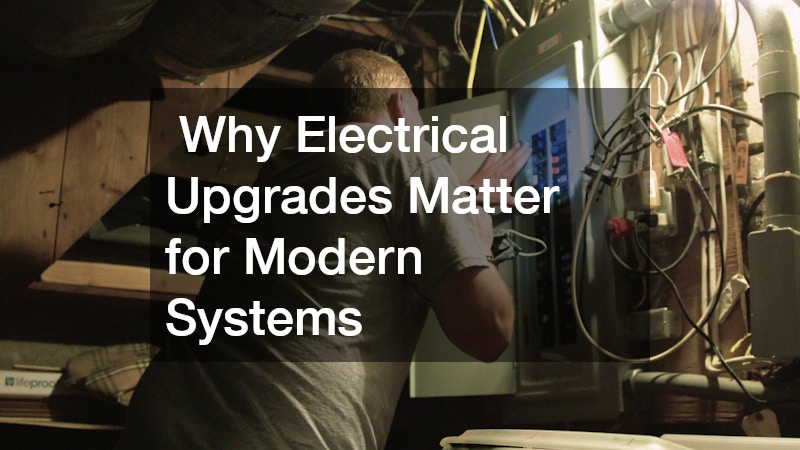
Modern systems often require more power and more sophisticated wiring than older homes were designed to handle.
When upgrades are necessary
You may need an electrical contractor if you notice:
- Frequent breaker trips
- Flickering lights
- Outdated electrical panels
These are signs your system may not support newer equipment.
How electrical systems impact performance
Inadequate wiring can:
- Reduce system efficiency
- Cause equipment malfunctions
- Create safety hazards
Upgrading ensures your systems operate safely and effectively.
Coordinating with other upgrades
Electrical work is often required during:
- System installations
- Major renovations
- Efficiency upgrades
Planning these together can save time and money.
Considerations for Larger Properties and Businesses
Larger spaces require a different approach to heating and cooling, and working with experienced commercial HVAC contractors is essential.
How these systems differ
- Larger equipment and capacity
- Zoning for different areas
- More complex maintenance needs
Common challenges
- Uneven temperature distribution
- High energy costs
- System downtime
Strategies for better performance
- Regular inspections and maintenance
- Energy-efficient upgrades
- Smart controls and automation
Choosing the right provider
Look for:
- Experience with similar properties
- Scalable solutions
- Preventative maintenance plans
How to Coordinate Multiple Home System Upgrades
Upgrading multiple systems at once can feel overwhelming, but it’s often the most efficient approach.
Why coordination matters
Handling projects separately can lead to:
- Higher costs
- Redundant work
- Missed efficiency opportunities
Working with providers that offer comprehensive HVAC services can simplify the process.
Ideal order of upgrades
- Electrical system updates
- Insulation and windows
- Heating and cooling systems
This sequence ensures each upgrade supports the next.
Tips for managing projects
- Create a clear timeline
- Get multiple quotes
- Plan for temporary disruptions
A well-organized approach minimizes stress and maximizes results.
Cost Planning and Long-Term Budgeting
Understanding costs upfront helps you make smarter decisions and avoid surprises.
Typical cost factors
- System size and type
- Installation complexity
- Labor and materials
- Efficiency upgrades
How maintenance impacts costs
Regular HVAC maintenance:
- Reduces repair expenses
- Extends system lifespan
- Improves efficiency
Over time, these savings can be significant.
Financing and incentives
Look into:
- Manufacturer rebates
- Energy efficiency tax credits
- Financing plans
These can make upgrades more affordable.
Building a long-term plan
- Prioritize urgent needs
- Schedule future upgrades
- Budget for ongoing care
A clear plan helps you stay ahead of problems instead of reacting to them.
Making Informed Decisions That Protect Your Investment
Taking control of your home’s systems isn’t just about comfort. It’s about making informed decisions that protect your investment and improve your daily life. When you understand how everything works together, from heating and cooling to insulation and electrical support, you can approach upgrades with confidence instead of uncertainty.
The most important step is shifting from reactive to proactive thinking. Instead of waiting for something to fail, evaluate your systems regularly, plan ahead, and work with professionals who prioritize long-term performance over quick fixes.
Every improvement you make builds on the last. Over time, those decisions lead to a home that’s more efficient, more reliable, and far more comfortable to live in.