Key Takeaways
- Emergency repairs typically cost more than standard service due to after-hours labor, urgent dispatch, and premium pricing for nights, weekends, or holidays.
- Repair costs vary depending on the issue, with simple electrical fixes costing far less than major component replacements like compressors or blower motors.
- Recognizing early signs of system trouble and scheduling timely repairs can help prevent more severe damage and higher repair bills.
- Routine maintenance is one of the most effective ways to reduce unexpected expenses, improve system efficiency, and extend the lifespan of your cooling equipment.
- Older air conditioning systems may become more expensive to maintain, making replacement a more cost-effective option after repeated or major repairs.
- Choosing a qualified HVAC contractor with transparent pricing and proper credentials helps ensure reliable repairs and minimizes the risk of recurring issues.
When your air conditioner suddenly stops working in the middle of a hot day or humid night, getting it back up and running quickly becomes a priority. Unfortunately, emergency repairs often come with higher costs than standard service appointments because technicians must respond outside normal business hours or rearrange their schedules to handle urgent situations. While the added expense may seem frustrating, understanding what contributes to emergency repair pricing can help homeowners make informed decisions instead of feeling caught off guard.
The cost of emergency AC repair depends on several factors, including the type of problem, the age of your system, replacement parts, labor rates, and when the repair is performed. A simple capacitor replacement may be relatively affordable, while a failed compressor or refrigerant leak can result in significantly higher repair bills. Knowing these differences helps homeowners budget more effectively and determine whether repairing or replacing an aging system makes better financial sense.
This guide explains what homeowners can expect to pay for emergency air conditioning repairs, the factors influencing pricing, common repair scenarios, and practical ways to reduce unexpected HVAC expenses without compromising comfort.
Why Emergency Repairs Cost More Than Regular Service
Emergency HVAC service is designed to restore cooling when waiting until the next business day isn’t practical. Whether it’s a weekend, holiday, or late-night breakdown, technicians often need to respond immediately, which naturally increases labor costs.
Unlike scheduled appointments, emergency service requires HVAC companies to maintain technicians on standby, stock vehicles with commonly needed replacement parts, and rearrange their workload to accommodate urgent calls.
Several factors contribute to higher emergency pricing:
- After-hours labor
Technicians typically receive premium pay for evening, overnight, weekend, and holiday work. - Immediate dispatch
Emergency calls often require technicians to leave another job or travel immediately. - Limited parts availability
Certain replacement components may require expedited shipping or special ordering. - Higher operational costs
Companies maintain emergency service teams and additional inventory to respond quickly.
Although emergency service costs more, prompt repairs often prevent more extensive—and expensive—damage from developing.
Average Emergency Repair Costs
Before scheduling emergency service, homeowners often wonder what they should expect to pay. While prices vary depending on location and HVAC company, understanding common pricing ranges provides a realistic starting point for budgeting. Emergency service generally includes both the repair itself and additional charges related to after-hours labor, travel, or urgent dispatch. Some companies charge a flat emergency fee before diagnosing the issue, while others include diagnostics within their service call. Reviewing estimates carefully helps homeowners understand exactly what they are paying for before authorizing repairs.
Typical emergency repair costs include:
| Repair Type | Estimated Cost |
| Emergency service call | $150–$350 |
| Capacitor replacement | $180–$450 |
| Contactor replacement | $200–$500 |
| Thermostat replacement | $180–$600 |
| Refrigerant recharge | $300–$900 |
| Fan motor replacement | $350–$900 |
| Blower motor replacement | $500–$1,200 |
| Electrical repair | $250–$1,000 |
| Compressor replacement | $1,500–$3,500+ |
Actual pricing varies depending on equipment brand, repair complexity, labor rates, and regional market conditions.
What Factors Influence Repair Pricing?
Every emergency repair is unique. Two homeowners with similar cooling problems may receive very different estimates because multiple variables affect the final cost. Understanding these pricing factors allows homeowners to ask informed questions and better evaluate repair recommendations. While some costs are unavoidable, others can be reduced by addressing problems early, maintaining equipment regularly, or choosing repair options that extend the life of the system. Knowing what goes into an estimate also helps avoid surprises when reviewing invoices after emergency service is complete.
Time of Service
Evening, overnight, weekend, and holiday appointments usually include premium labor charges.
Many HVAC companies charge:
- Standard weekday rates during business hours
- Overtime rates after hours
- Premium emergency rates during holidays
Type of Repair
Minor electrical repairs usually cost significantly less than major mechanical failures.
Simple repairs include:
- Loose wiring
- Capacitor replacement
- Thermostat replacement
Major repairs include:
- Compressor replacement
- Refrigerant leak detection
- Evaporator coil replacement
System Age
Older systems often cost more to repair because:
- Parts become difficult to find.
- Components wear out simultaneously.
- Repairs become increasingly labor-intensive.
Equipment Brand
Premium HVAC brands may require proprietary replacement parts that cost more than universal components.
Accessibility
Repair costs may increase if technicians must access:
- Roof-mounted equipment
- Crawl spaces
- Tight attics
- Multi-story installations
Common Emergency Repairs Explained
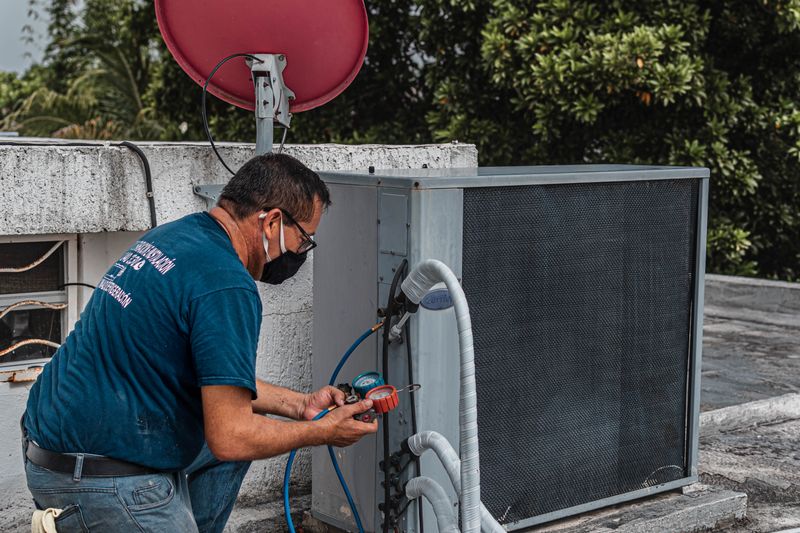
Air conditioners can fail for many different reasons, and some problems require immediate attention to prevent further damage or restore safe indoor conditions. Understanding the most common emergency repairs helps homeowners recognize why costs vary so widely from one situation to another. While certain issues involve replacing inexpensive electrical components, others require specialized tools, refrigerant handling, or several hours of labor. Identifying the nature of the failure also helps homeowners understand technician recommendations and prioritize repairs that protect both the system and household comfort.
Electrical Failures
Electrical issues are among the most common emergency calls.
Common causes include:
- Failed capacitors
- Burned contactors
- Damaged relays
- Loose electrical connections
These repairs are often completed within a single visit if replacement parts are available.
Refrigerant Leaks
Low refrigerant affects cooling efficiency and places additional strain on the compressor.
Repair usually includes:
- Leak detection
- Repairing damaged tubing
- Pressure testing
- Recharging refrigerant
The cost varies depending on refrigerant type and leak severity.
Frozen Evaporator Coil
Frozen coils may result from:
- Restricted airflow
- Dirty filters
- Refrigerant issues
- Blower problems
Technicians must determine the underlying cause before restoring operation.
Compressor Failure
The compressor is one of the most expensive HVAC components.
Replacing it often involves:
- Refrigerant recovery
- Component replacement
- System evacuation
- Refrigerant recharge
- Performance testing
Because of the expense, homeowners sometimes choose full system replacement instead.
Blower Motor Problems
If the blower stops working:
- Air circulation stops.
- Cooling becomes ineffective.
- Frozen coils may develop.
Motor replacement costs vary based on system size and manufacturer.
Signs You Should Call Immediately
Not every AC problem requires emergency service, but some situations should never be ignored. Delaying repairs can increase damage, reduce efficiency, and even create safety concerns in certain cases. Homeowners who recognize early symptoms are often able to avoid complete system failures and more expensive emergency visits. Paying attention to unusual sounds, performance changes, or electrical problems allows technicians to address issues before they escalate. Learning to identify these indicators is one of the most effective ways to protect both your cooling system and your repair budget.
Call an HVAC technician immediately if you notice:
- No cool air during extreme temperatures
- Burning smells
- Electrical sparking
- Water leaking around indoor equipment
- Refrigerant leaks
- Loud grinding noises
- Circuit breakers repeatedly tripping
Learning to recognize the warning signs of HVAC issues allows homeowners to schedule professional service before a complete breakdown occurs, potentially reducing repair costs and preventing additional damage.
Can You Wait Until Normal Business Hours?
Many homeowners struggle to decide whether an AC problem truly requires emergency service or if it can safely wait until the next available appointment. The answer depends on the severity of the issue, weather conditions, and whether the problem poses a risk to your home or family. While waiting can save money by avoiding after-hours fees, delaying certain repairs may lead to more extensive damage. Evaluating the symptoms carefully helps determine whether immediate professional attention is necessary or if scheduling standard service is the more practical option.
You may be able to wait if:
- Cooling is reduced but still functioning.
- The thermostat needs recalibration.
- Airflow is slightly weaker.
- Minor noises occur without burning smells.
Emergency service is generally recommended when:
- The system completely stops working during dangerous heat.
- Electrical problems are present.
- Water damage is occurring.
- Refrigerant is leaking.
- Smoke or burning odors appear.
Ways to Reduce Unexpected Repair Bills
Unexpected HVAC expenses can place significant strain on any household budget, but many emergency repairs are preventable with proactive maintenance and smart planning. Investing in routine inspections, replacing filters on schedule, and addressing minor issues early can significantly reduce the likelihood of sudden breakdowns. Homeowners who understand how their systems operate are also better equipped to recognize developing problems before they become emergencies. Taking preventive measures not only saves money over time but also helps extend equipment life and improve overall energy efficiency throughout the year.
Consider these money-saving strategies:
Schedule Annual Maintenance
Professional inspections identify worn parts before they fail unexpectedly.
Replace Air Filters Regularly
Dirty filters restrict airflow and force equipment to work harder.
Keep Outdoor Units Clean
Remove:
- Leaves
- Grass
- Dirt
- Branches
Proper airflow improves efficiency.
Repair Small Problems Quickly
Ignoring minor issues often leads to much larger repairs.
Consider Maintenance Plans
Many HVAC companies offer memberships that include:
- Annual tune-ups
- Priority scheduling
- Discounted repairs
- Reduced emergency service fees
Should You Repair or Replace Your AC?
One of the biggest decisions homeowners face after a costly emergency breakdown is whether investing in repairs still makes financial sense. While repairing a relatively new system is often the most economical choice, repeated repairs on older equipment can quickly exceed the value of keeping it operational. Evaluating the system’s age, efficiency, repair history, and expected lifespan helps determine which option offers better long-term value. Considering future operating costs alongside immediate repair expenses ensures homeowners make decisions that balance comfort, reliability, and overall household budgets.
Repairing usually makes sense when:
- The system is under 10 years old.
- Repairs are relatively inexpensive.
- Maintenance history is excellent.
- Efficiency remains high.
Replacement may be better when:
- The system exceeds 15 years.
- Compressor failure occurs.
- Repairs become frequent.
- Energy bills continue increasing.
- Major components are failing repeatedly.
A professional HVAC evaluation can determine the most cost-effective option.
How to Choose the Right Emergency HVAC Company
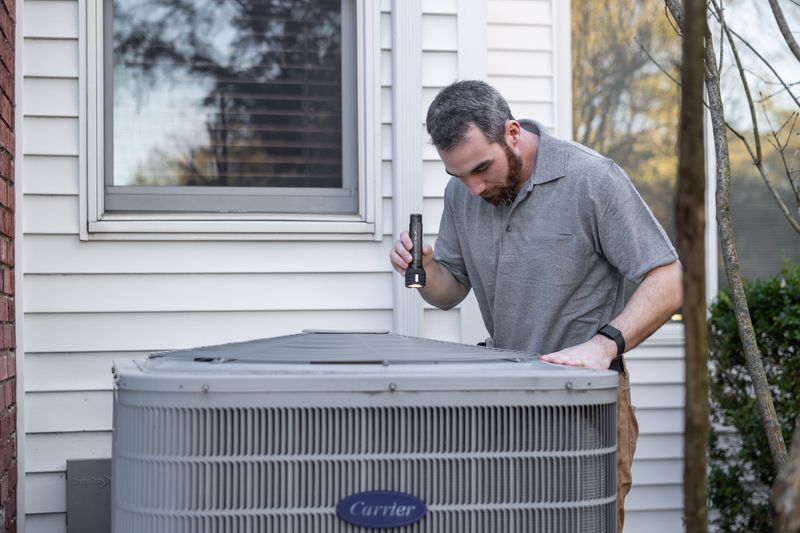
Selecting the right HVAC contractor is just as important as understanding repair costs. During an emergency, homeowners may feel pressured to hire the first available company, but taking a few minutes to verify credentials can help prevent unnecessary expenses and poor workmanship. A reputable contractor will provide transparent pricing, explain recommended repairs, and stand behind their work with warranties. Choosing a qualified company ensures that emergency repairs restore your cooling system safely while reducing the likelihood of repeat service calls.
Look for companies that offer:
- Licensed and insured technicians
- Upfront pricing
- Written estimates
- Emergency availability
- Positive customer reviews
- Manufacturer-certified technicians
- Labor warranties
- Clear communication throughout the repair process
Taking the time to compare providers—even during an emergency—can lead to better service and greater peace of mind.
Conclusion
Emergency AC repairs can be stressful, especially when they happen during periods of extreme heat. While emergency service typically costs more than scheduled maintenance or standard repairs, understanding what influences pricing allows homeowners to make informed decisions and avoid unnecessary expenses. Factors such as the type of repair, time of service, system age, and replacement parts all contribute to the final bill.
The best way to control emergency repair costs is through preventive maintenance, timely repairs, and regular system inspections. By addressing small issues before they become major failures, homeowners can improve system reliability, extend equipment lifespan, and reduce the chances of facing an unexpected and expensive cooling emergency. When an urgent repair is unavoidable, working with a qualified HVAC professional ensures the problem is diagnosed accurately and resolved efficiently, helping restore comfort while protecting your long-term investment in your home’s cooling system.