Key takeaways
- In humid climates your AC has to cool the air and remove moisture, which uses extra energy and raises summer bills.
- Set the thermostat around 78°F when you’re home, and use a programmable or smart thermostat to adjust it automatically.
- Keep indoor humidity between 30 and 50 percent by setting the fan to “auto,” using exhaust fans, and adding a dehumidifier if needed.
- Change filters often, keep the outdoor unit clear, keep the condensate drain line clean, and schedule a tune-up each spring.
- Seal air leaks and ducts, add attic insulation, and block the sun with blinds, window film, awnings, and shade trees.
- Use ceiling fans so you can raise the thermostat about 4°F, and limit heat from cooking and appliances on hot days.
- When replacing your AC, choose a properly sized, high-SEER2 system, and call a technician early for warning signs like ice, leaks, or weak airflow.
If you live somewhere hot and humid, like the Gulf Coast, Florida, or much of the Southeast, you know summer can feel like stepping into a steam room. Air conditioning isn’t a luxury in these places. It’s a must for comfort, health, and even protecting your home from moisture damage. But running the AC for months on end can lead to sky-high electric bills.
The good news is that you don’t have to choose between staying cool and saving money. Many simple changes, from smarter thermostat settings to better humidity control and regular maintenance, can lower your cooling costs without making your home uncomfortable. Some cost nothing at all, while others pay for themselves over time.
In this guide, you’ll learn why cooling costs more in humid climates and practical ways to cut your AC expenses. You’ll also learn the warning signs that your system needs repair, so small problems don’t turn into costly breakdowns in the middle of a heat wave.
1. Why AC Costs More in Humid Climates
Many homeowners ask, “Why is my electric bill so high in summer?” In hot, humid areas, the answer usually comes down to how hard your air conditioner has to work. Your AC doesn’t just cool the air. It also pulls moisture out of it. In humid climates, that second job takes a lot of extra energy.
Humid air holds a lot of water. As your AC cools the air, moisture condenses on the cold indoor coil and drains away. This process is called dehumidification. The more moisture in the air, the longer your system has to run to remove it. Humid air also makes your home feel warmer than it really is, so many people turn the thermostat lower to feel comfortable, which uses even more energy.
Long cooling seasons add to the problem. In some southern states, the AC may run for six months or more each year. Older or poorly maintained systems, leaky ducts, and homes with weak insulation can drive costs even higher. Understanding these factors helps you target the changes that will save the most money.
- Your AC has to cool the air and remove moisture, which takes extra energy.
- Humid air feels warmer, leading people to set thermostats lower.
- Long cooling seasons and inefficient homes raise costs even more.
2. Set Your Thermostat Wisely
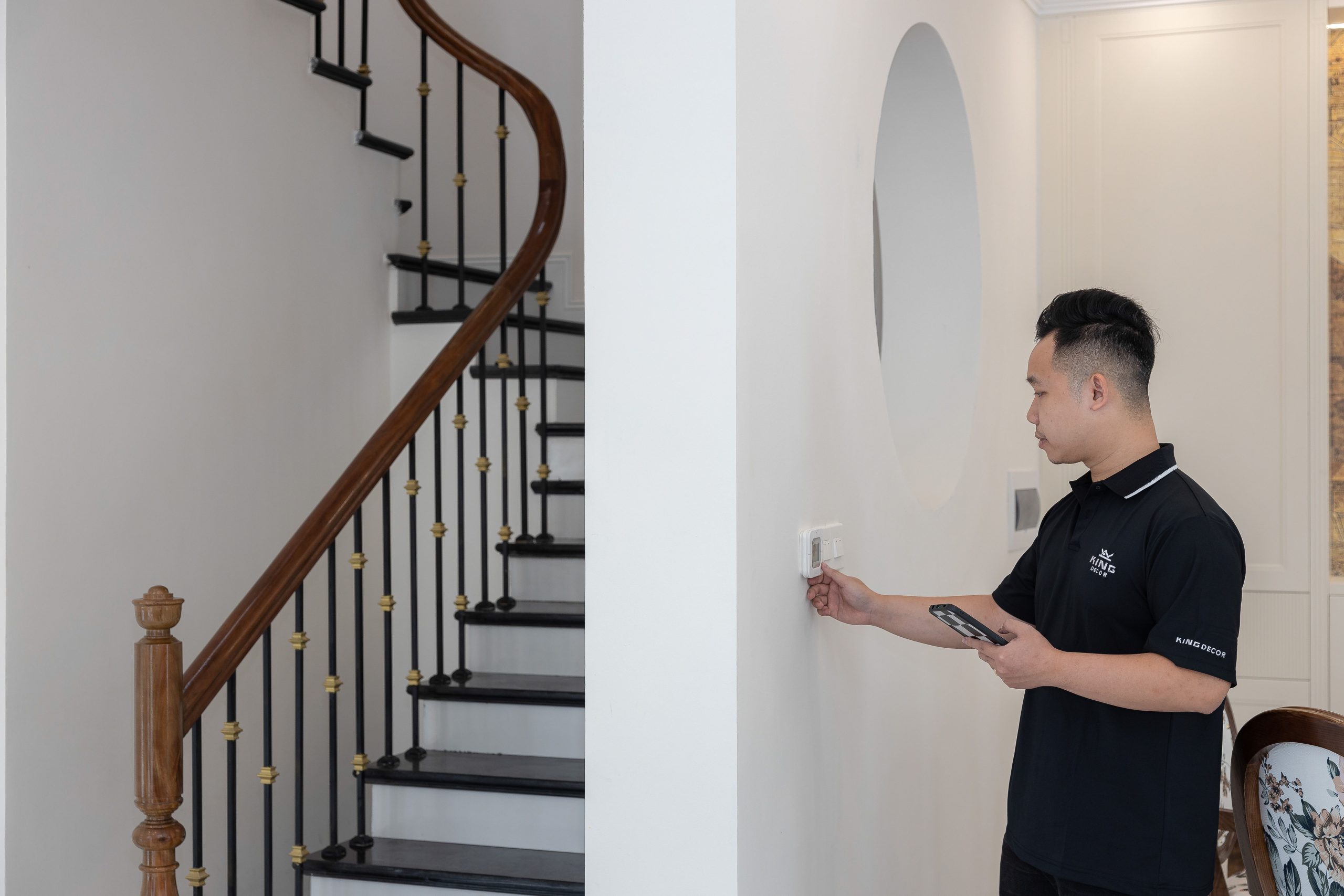
Your thermostat is one of the simplest tools for cutting cooling costs. The U.S. Department of Energy suggests setting it to 78°F when you’re home and awake. Each degree higher can lower your cooling costs, and the savings add up over a long summer. If 78°F feels too warm at first, raise the temperature by one degree every few days to let your body adjust.
When you’re away for several hours or sleeping, you can raise the temperature a few more degrees. The Department of Energy estimates you can save up to about 10 percent a year on heating and cooling by adjusting your thermostat 7 to 10 degrees for 8 hours a day. In very humid climates, though, avoid turning the AC off completely or raising it too much for long periods. Indoor humidity can build up quickly, which may lead to mustiness and mold.
A programmable or smart thermostat makes these changes automatic. Many smart models learn your schedule, let you adjust settings from your phone, and show you how much energy you’re using. Some also have humidity controls. Avoid setting the thermostat very low when you get home, since it won’t cool your house faster and only wastes energy.
- Aim for 78°F when you’re home and awake.
- Raise the temperature a few degrees when away, but don’t let humidity build up.
- Use a programmable or smart thermostat to automate savings.
3. Control Indoor Humidity
In humid climates, controlling moisture is just as important as controlling temperature. When indoor humidity is lower, your home feels cooler at the same thermostat setting. That means you can keep the temperature higher and still feel comfortable. Most experts recommend keeping indoor humidity between about 30 and 50 percent. A simple digital hygrometer, which costs around $10 to $20, can measure it for you.
One easy change is setting your thermostat’s fan to “auto” instead of “on.” When the fan runs constantly, moisture that collects on the indoor coil can blow back into your home before it drains away. On “auto,” the fan stops when cooling stops, which helps your system remove more humidity. Some thermostats and AC systems also have a dehumidify or “dry” mode that runs the system in a way that removes more moisture.
Reduce moisture sources inside your home, too. Run bathroom exhaust fans during showers and for about 20 minutes after. Use the range hood when cooking, and make sure your clothes dryer vents outside. If your home still feels damp, a standalone or whole-house dehumidifier can help, especially in basements or crawl spaces.
- Keep indoor humidity between about 30 and 50 percent.
- Set the thermostat fan to “auto” instead of “on.”
- Use exhaust fans and consider a dehumidifier for damp areas.
4. Keep Up With AC Maintenance
A well-maintained air conditioner runs more efficiently, cools better, and lasts longer. In hot, humid climates where the AC works hard for months, regular care is especially important. Skipping maintenance can raise your energy use and lead to breakdowns at the worst possible time.
Start with the air filter. A dirty filter blocks airflow and makes your system work harder. During peak cooling season, check it every month and replace it at least every one to three months, or more often if you have pets or allergies. Outside, keep the condenser unit clear of grass, leaves, and plants, with about 2 feet of open space around it. Gently rinse dirt off the outdoor coil with a garden hose, after turning off power to the unit.
Humid climates produce a lot of condensation, so watch the condensate drain line. This small pipe carries water away from the indoor unit. If it clogs with algae or debris, water can back up, cause leaks, or shut down your system. Many homeowners pour a cup of white vinegar into the drain line access every few months to help prevent clogs. Finally, schedule a professional tune-up each spring before the hot season starts.
- Check filters monthly and replace them every one to three months.
- Keep the outdoor unit clean and clear of plants and debris.
- Keep the condensate drain line clear and schedule a yearly tune-up.
5. Seal Leaks and Improve Insulation
In a humid climate, air leaks don’t just let cool air escape. They also let hot, sticky outdoor air sneak in, adding both heat and moisture your AC has to remove. Sealing those leaks is one of the most cost-effective ways to save on cooling.
Start with the easy spots. Add weatherstripping around doors and caulk gaps around windows, outlets, and places where pipes or wires pass through walls. Look for gaps around attic hatches, recessed lights, and plumbing vents too. These materials are inexpensive and are simple DIY projects.
Ducts deserve special attention. In many southern homes, ductwork runs through hot attics. Leaky or poorly insulated ducts can lose a large share of cooled air before it reaches your rooms. Have a pro test and seal your ducts with mastic or foil tape, not regular cloth duct tape, and add insulation around ducts in unconditioned spaces. Adding attic insulation and making sure your attic is well ventilated also helps keep heat from radiating down into your living space.
- Seal gaps around doors, windows, and wall openings to block heat and humidity.
- Have leaky ducts sealed and insulated, especially in hot attics.
- Add attic insulation and ventilation to keep heat out.
6. Block Heat From the Sun
Sunlight pouring through windows can heat your home quickly, forcing your AC to work harder. Blocking that heat before it gets inside is a smart, often low-cost way to save energy.
Inside, close blinds, shades, or curtains during the hottest part of the day, especially on south- and west-facing windows. Light-colored or reflective window coverings bounce more heat away. Cellular shades and blackout curtains add an extra layer of insulation. For a longer-term fix, consider solar control window film, which can block much of the sun’s heat while still letting in light. When it’s time to replace windows, look for ENERGY STAR models rated for southern climates.
Outside, shade can make a big difference. Awnings over sunny windows can block direct sunlight. Planting shade trees on the east and west sides of your home can keep walls and windows cooler, though it takes a few years for trees to grow. Shading your outdoor AC unit with plants or a fence can also help it run a bit more efficiently, as long as you leave plenty of space for airflow. If you’re replacing your roof, a light-colored or reflective “cool roof” can lower attic temperatures.
- Close blinds and curtains on sunny windows during the hottest hours.
- Use window film, awnings, and shade trees to block heat.
- Consider a reflective roof when it’s time for a replacement.
7. Use Fans and Cut Indoor Heat Sources
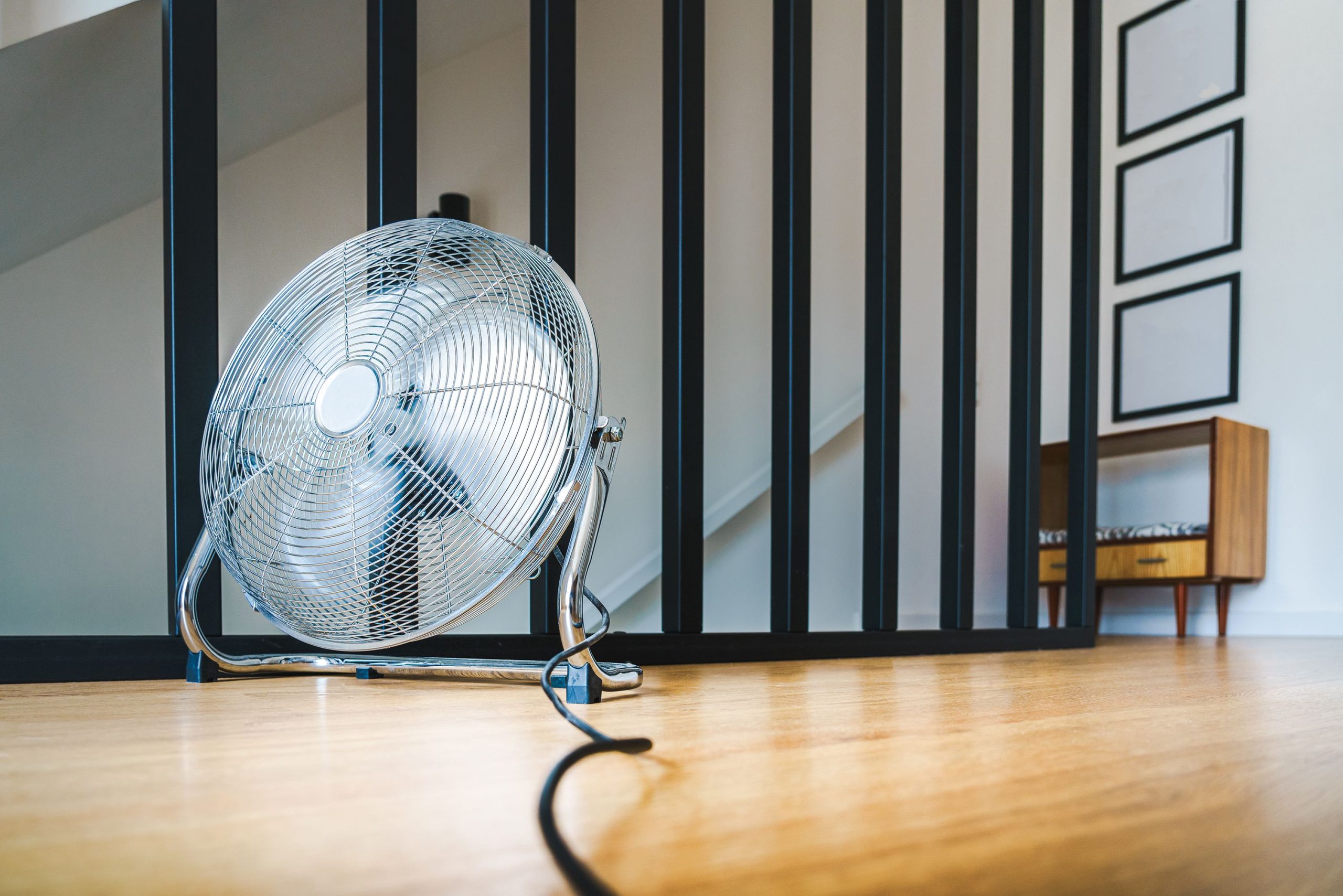
Ceiling fans are a cheap way to feel cooler. They don’t actually lower the room’s temperature, but the moving air creates a wind-chill effect on your skin. According to the Department of Energy, a ceiling fan can let you raise your thermostat setting about 4°F without feeling less comfortable. In summer, set fans to spin counterclockwise so they push air down. Turn them off when you leave the room, since fans cool people, not spaces.
Many everyday activities add heat and humidity to your home. Ovens, stovetops, dishwashers, and clothes dryers all release heat. On hot days, try using a microwave, slow cooker, air fryer, or outdoor grill instead of the oven. Run the dishwasher and dryer early in the morning or late at night when it’s cooler outside, and choose the air-dry setting on your dishwasher.
Lighting and electronics give off heat too. Switch to LED bulbs, which produce much less heat than old incandescent bulbs. Turn off TVs, computers, and game consoles when not in use, and unplug chargers. Small changes like these reduce the heat your AC has to remove and lower your energy use at the same time.
- Ceiling fans can let you raise the thermostat about 4°F.
- Cook with small appliances or outdoors on hot days.
- Run heat-producing appliances at cooler times and switch to LEDs.
8. Right-Size and Upgrade Wisely
If your air conditioner is more than 10 to 15 years old, it may be using far more energy than a newer model. When it’s time to replace your system, choosing the right size and features can lead to big savings for years.
Bigger isn’t always better. An oversized AC cools the air quickly and shuts off before it has time to remove enough humidity. This is called short cycling. The result is a home that feels cold but clammy, plus extra wear on your equipment. A good contractor should do a load calculation, often called a Manual J calculation, to choose the right size based on your home’s square footage, insulation, windows, and climate, rather than just guessing or matching your old unit.
Look for high efficiency ratings. Air conditioners and heat pumps are now rated using SEER2, which measures cooling efficiency. A higher SEER2 rating means lower operating costs. In humid climates, systems with variable-speed or two-stage compressors are especially helpful. They run longer at lower speeds, which removes more moisture and keeps temperatures more even. Ask your contractor about ENERGY STAR models and any rebates your utility offers.
- Replace very old systems with more efficient models when the time comes.
- Make sure your new AC is properly sized with a load calculation.
- Choose a higher SEER2 rating and variable-speed features for better humidity control.
9. Know When to Call for AC Repair
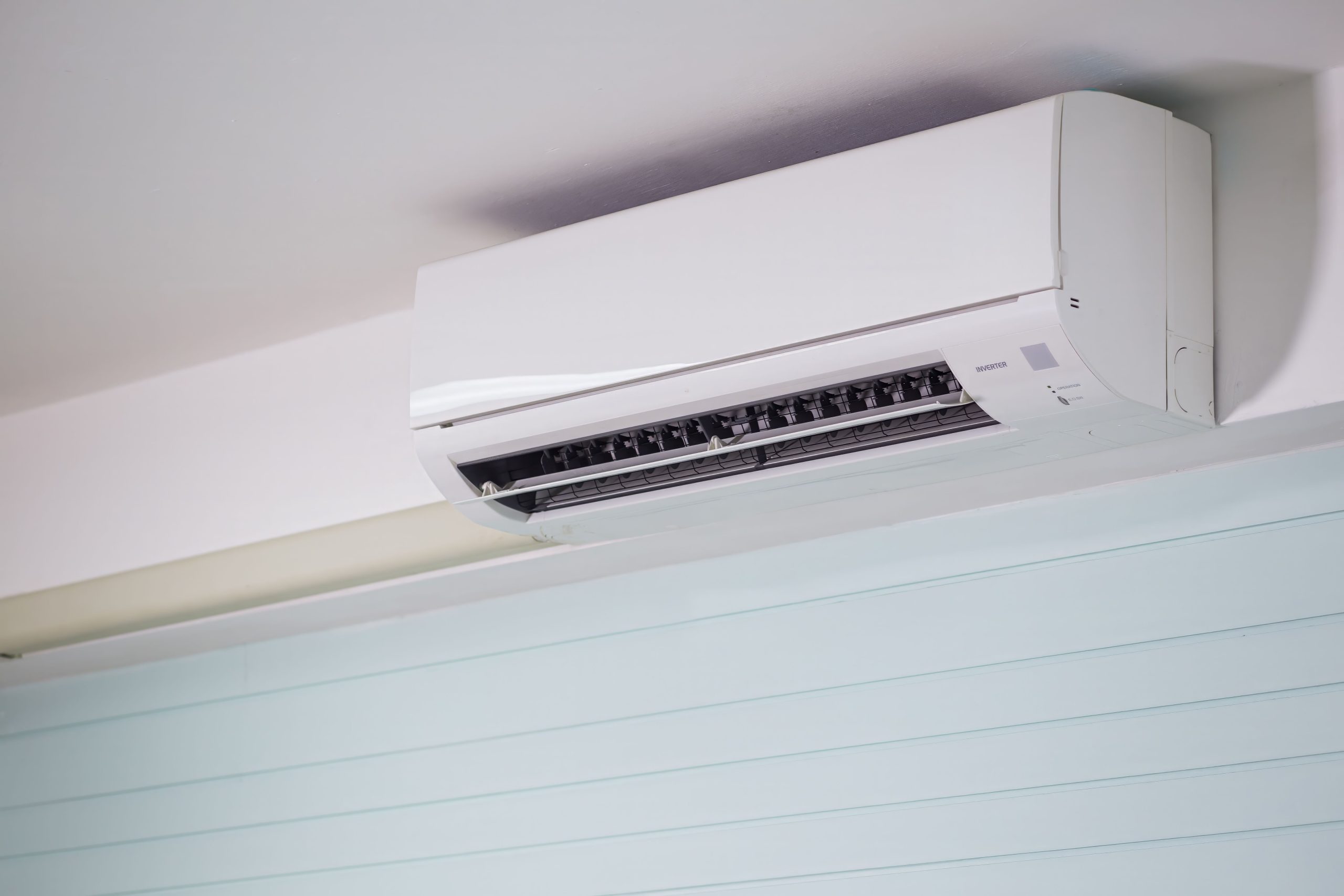
Small AC problems can quietly raise your energy bills long before your system stops working. Calling for repairs early can save money on both energy and bigger repairs later. Watch for warning signs like warm air coming from vents, weak airflow, the system running nonstop or turning on and off every few minutes, strange noises like grinding or squealing, ice on the refrigerant lines or indoor coil, water leaking around the indoor unit, or a home that feels damp even when the AC is running.
If you notice ice, turn the system off and let it thaw, then check your air filter. If the problem returns, you may have low refrigerant or an airflow problem that needs a technician. Never try to add refrigerant yourself, since handling it requires special training and certification. Choose a licensed, insured HVAC company with good reviews, and ask for a written estimate before work begins.
Finally, check with your utility company. Many offer rebates on smart thermostats and efficient equipment, free or low-cost home energy audits, and time-of-use plans that charge less for electricity at certain hours. Budget billing can also spread your summer costs more evenly across the year, so high bills don’t catch you off guard.
- Watch for warm air, weak airflow, strange noises, ice, and leaks.
- Call a licensed technician for refrigerant or electrical problems.
- Ask your utility about rebates, energy audits, and special rate plans.
Conclusion
Staying cool in a hot, humid climate doesn’t have to mean paying sky-high electric bills. Because your AC must remove both heat and moisture, the biggest savings come from working smarter. Set your thermostat around 78°F when you’re home, control indoor humidity, and keep your system clean and well maintained.
Sealing air leaks, improving insulation, and blocking the sun’s heat reduce how hard your AC has to work. Ceiling fans and smart habits, like cooking with small appliances on hot days, add even more savings. When it’s time to replace your system, choose a properly sized, high-efficiency model designed to handle humidity.
Start with a few easy steps this week, like changing your filter, adjusting your thermostat, and closing blinds on sunny windows. Then plan bigger improvements over time. With the right approach, you can enjoy a comfortable home all summer long while keeping more money in your pocket.