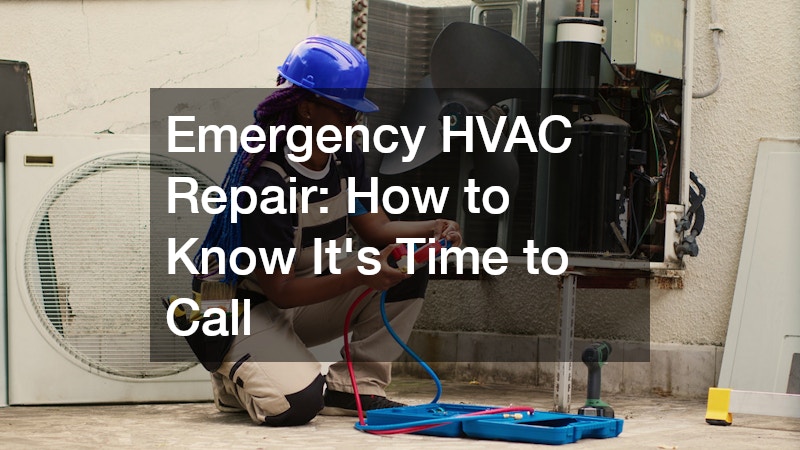
In the unpredictable world of heating, ventilation, and air conditioning, knowing when to call for emergency HVAC repair can make a major difference in comfort and safety. Homeowners often wonder about the right time to seek professional assistance. This guide highlights the critical signs that it’s time to act, helping prevent further damage and unexpected costs.
Understanding these indicators allows homeowners to respond quickly, protecting both equipment and indoor comfort. Failing to recognize an HVAC emergency can lead to costly repairs, extended downtime, and even health risks in extreme temperatures. By learning the warning signs, homeowners can act proactively, avoiding unnecessary stress and ensuring their home remains safe and comfortable year-round.
Common Signs of an HVAC Emergency
Unusual Noises Coming from the Unit
Strange noises are one of the clearest indicators that an HVAC system may need urgent attention. Banging, clanking, hissing, or screeching can each signal different problems. For example, banging may indicate loose internal components, while screeching could suggest belt or motor issues. Addressing these sounds promptly prevents escalation and costly repairs. Homeowners who recognize and act on these warning signs can maintain system efficiency and longevity.
Complete Lack of Airflow
If your HVAC system stops delivering airflow entirely, it’s often a sign of a serious malfunction. Causes might include a faulty blower motor, clogged filter, or obstructed ductwork. Without proper airflow, heating or cooling efficiency drops, impacting home comfort. In such cases, calling for emergency HVAC repair is advisable to prevent minor problems from becoming major system failures. Quick intervention restores performance and reduces the risk of extensive damage.
Strange or Unpleasant Odors
Odors coming from the HVAC system should never be ignored. Musty smells may indicate mold growth, while burning scents can point to electrical problems or overheating components. Both scenarios pose potential health risks and system hazards. Prompt professional assessment ensures these issues are resolved quickly, protecting both the home environment and the HVAC system itself.
Determining if Regular Service Is Enough
Assessing Severity
Not every problem requires immediate attention. Minor issues, such as slightly uneven temperatures, may be safely scheduled for standard service. Homeowners should assess system performance and consider current weather conditions when deciding whether to wait. Evaluating severity helps prevent unnecessary emergency calls while maintaining comfort and safety.
Cost Implications of Delays
Delaying necessary repairs can increase utility costs as the system struggles to perform efficiently. Over time, stress on components may lead to more extensive damage, requiring expensive repairs or replacements. Understanding the financial impact of waiting encourages timely interventions, saving money and extending the lifespan of the equipment.
Temporary Measures
Some short-term actions can help manage minor issues until professional help arrives. Cleaning filters or adjusting thermostat settings may provide temporary relief. However, these measures should only be used when safe and should never replace professional repair. Temporary fixes maintain comfort while protecting the system until emergency HVAC repair services can be performed.
What to Expect During an Emergency HVAC Visit
Preparation and Communication
Before a technician arrives, documenting symptoms like noises, odors, or performance issues helps streamline diagnosis. Clear communication allows the technician to focus on identifying the root cause quickly. Ensuring the system is accessible and turned off can also speed up repairs, maximizing the efficiency of the visit.
Repair Procedures
During an emergency visit, the technician will inspect electrical connections, airflow, and key components like the blower motor or capacitor. Immediate fixes restore functionality, while recommendations for part replacements or further maintenance prevent future problems. Homeowners should expect clear explanations of the issues and steps being taken.
Immediate and Long-term Solutions
While the main goal is restoring immediate system function, technicians also provide guidance for long-term reliability. This may include routine maintenance schedules, component upgrades, or performance optimization tips. Following these recommendations reduces future repair costs and enhances overall system efficiency. Implementing long-term solutions helps protect the HVAC investment and ensures ongoing comfort.
Knowing when to call for emergency HVAC repair ensures system efficiency, comfort, and safety. Recognizing signs such as unusual noises, odors, or complete airflow loss allows homeowners to take swift action and prevent costly damage. Preparing for an emergency visit and understanding repair procedures helps minimize downtime. By acting at the right time and following professional guidance, homeowners can safeguard their HVAC system and maintain a comfortable, healthy home environment.