A sudden jump in your electric bill often feels random, but it is usually the first warning sign that your air conditioner is struggling to keep up. Rather than failing all at once, most AC units decline gradually, working harder and drawing more power for weeks or even months before they finally quit. Understanding why this happens can help you catch the problem early, avoid an uncomfortable breakdown, and make a smarter decision about repairing or replacing your system. This article breaks down exactly what is going on inside your unit and what you can do about it before the bill becomes the least of your worries.
Failing Compressors and Rising Energy Draw
The compressor is the heart of your air conditioning system, responsible for pressurizing refrigerant so it can absorb and release heat effectively. As a compressor wears out, it has to run longer and pull more electrical current to produce the same amount of cooling it used to deliver effortlessly. This inefficiency shows up directly on your utility bill weeks before the compressor gives out completely.
Many homeowners do not realize a struggling compressor is salvageable if caught early, which is why prompt HVAC repair matters so much at the first sign of trouble. Waiting too long often turns a moderate repair into a full compressor replacement, which is far more expensive.
- Listen for unusual clicking, humming, or grinding sounds near the outdoor unit.
- Watch for longer cooling cycles that never quite reach your thermostat setting.
- Notice if the system short-cycles, turning on and off more frequently than normal.
Dirty Coils and Reduced Heat Transfer
Your air conditioner relies on two coils, the evaporator and the condenser, to move heat out of your home and release it outside. The evaporator coil, tucked inside your indoor unit, absorbs heat from household air, while the condenser coil outside dumps that heat into the outdoor air. When these coils accumulate dust, dirt, pet hair, or grime, they lose their ability to transfer heat efficiently, forcing the compressor and fan motor to work overtime.
Research from the Department of Energy suggests that even a thin layer of buildup, as little as 0.042 inches, can reduce cooling efficiency by up to 21%. Outdoor condenser coils are especially vulnerable since they sit exposed to lawn clippings, pollen, and airborne debris all season long. Indoor evaporator coils face a different threat: moisture from condensation mixes with dust to form a sludge that clings stubbornly to the coil fins.
This added strain translates into higher energy consumption almost immediately, often before you notice any change in comfort. Your system may still cool your home adequately for weeks or months, masking the underlying problem while your bill quietly climbs. Left unaddressed, the added stress on the compressor can shorten its lifespan considerably, turning a simple cleaning issue into a costly repair or premature replacement.
Dirty coils force your AC to work harder to move the same amount of heat, and that inefficiency shows up directly on your electric bill. Just a thin layer of dust and grime on the evaporator or condenser coils can reduce heat transfer enough to increase energy consumption by 10-30%. The system isn’t broken yet, but it’s quietly burning more electricity every single day to deliver the same cooling result.
Routine AC maintenance that includes coil cleaning can prevent this slow decline and keep your system running at its rated efficiency. Most manufacturers recommend professional coil cleaning at least once a year, ideally before peak cooling season begins. Scheduling regular air conditioning services with a licensed technician ensures buildup gets caught early, since a professional can spot early buildup and clean the coils before the reduced airflow starts costing you real money each month.
Between professional visits, homeowners can help by keeping outdoor condenser units clear of leaves, grass clippings, and debris, and by changing air filters every 1-3 months to reduce the dust that reaches the indoor coil. These small habits won’t replace a full cleaning, but they slow down how quickly buildup accumulates. Catching the problem early is almost always cheaper than paying for months of inflated bills before a technician finally intervenes.
- Condenser coils (the outdoor unit) get dirty faster near freshly mowed lawns, cottonwood trees, or nearby construction dust, sometimes needing cleaning twice a season instead of once.
- A layer of grime as thin as 1/16 inch can cut heat transfer efficiency by 10-20%, forcing the compressor to run longer to reach the same temperature.
- Evaporator coils (inside the air handler) can grow mold or mildew in humid climates, which insulates the coil and restricts airflow at the same time.
- Signs of a dirty coil include ice forming on the refrigerant lines, weak airflow from vents, or a musty smell when the AC kicks on.
- A professional coil cleaning typically costs $100-$250, far less than the extra electricity wasted running an inefficient system for months.
- Homeowners can slow the buildup between professional cleanings by trimming vegetation 2 feet back from the outdoor unit and rinsing coils gently with a garden hose.
Refrigerant Leaks and Ghost Cooling
Low refrigerant does not just mean weaker cooling; it means your system runs continuously trying to reach the temperature you set, burning electricity without ever succeeding. A slow leak can go unnoticed for a long time since the temperature drop is gradual rather than sudden. By the time you feel warm air coming from your vents, the unit may have been overworking itself for weeks.
This is one of the most common culprits behind ghost cooling, since refrigerant issues require specialized tools and certification to diagnose safely. Simply topping off refrigerant without finding and sealing the leak is a temporary fix that will keep draining your wallet, since the same amount will slowly escape again over time.
- Ice buildup on the refrigerant lines is a telltale sign of a leak.
- Hissing or bubbling sounds near the outdoor unit often indicate escaping refrigerant.
- Rooms cooling unevenly throughout the house can point to inconsistent refrigerant levels.
Clogged Filters and Restricted Airflow
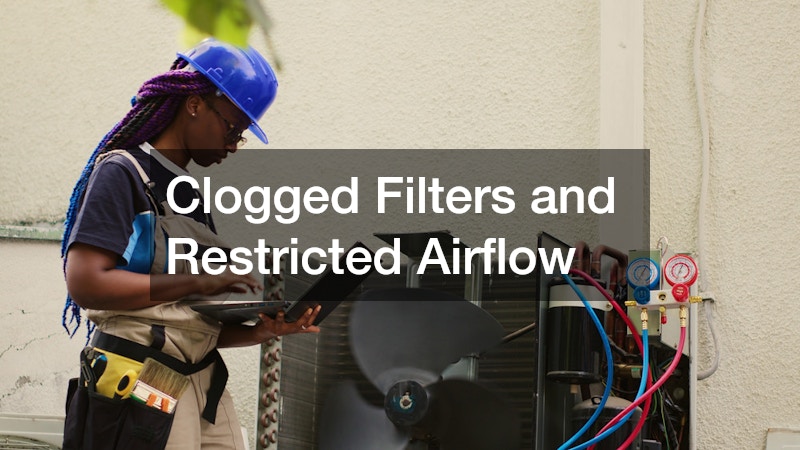
A dirty air filter is one of the simplest and most overlooked causes of a rising electric bill. When airflow is restricted, the blower motor has to work harder to push air through the system, and the whole unit runs longer to compensate. This single issue can account for a surprising percentage increase in energy use if left unaddressed for months.
Beyond the cost, a clogged filter also strains the evaporator coil and can eventually lead to frozen coils or shut down the whole unit. Replacing filters on a consistent schedule is one of the easiest ways to protect both your budget and your equipment.
- Standard filters should be replaced every one to three months, more often with pets.
- A visibly gray or dust-caked filter is already past its useful life.
- Reduced airflow from vents throughout the house often traces back to the filter.
Aging Ductwork and Hidden Air Loss
Even a perfectly running air conditioner can rack up excess electricity charges if the ductwork carrying cool air is damaged or poorly sealed. Cracks, gaps, and disconnected joints allow conditioned air to escape into attics, crawl spaces, or walls before it ever reaches your living areas. Your system compensates by running longer cycles, driving up your bill while your home never quite feels as cool as it should.
Duct leaks are often invisible without a professional inspection, since the damage is usually hidden behind walls or above ceilings. A thorough evaluation can measure airflow loss and pinpoint exactly where the leaks are occurring.
- Rooms farther from the AC unit that feel warmer may indicate duct loss along the way.
- Unusually dusty rooms can signal duct leaks pulling in unconditioned attic air.
- Sealing and insulating ducts can noticeably improve system efficiency within days.
Thermostat Malfunctions and Inaccurate Readings
A miscalibrated or aging thermostat can cause your air conditioner to run far more than necessary, even when your home has already reached a comfortable temperature. This creates a frustrating cycle where the unit works overtime while you never actually feel the benefit. Since the thermostat controls every cycle, even a small sensor error compounds into significant electrical waste over a billing period.
Smart thermostats can help detect these irregularities by tracking runtime and comparing it to actual temperature changes in your home. If your system runs constantly but your house temperature barely moves, the thermostat itself may be the source of the problem rather than the AC unit.
- Compare your thermostat reading to a separate room thermometer to check accuracy.
- Note if the AC turns on immediately after shutting off, a sign of sensor confusion.
- Battery issues in older thermostats can cause erratic readings and cycling.
Worn Fan Motors and Struggling Airflow
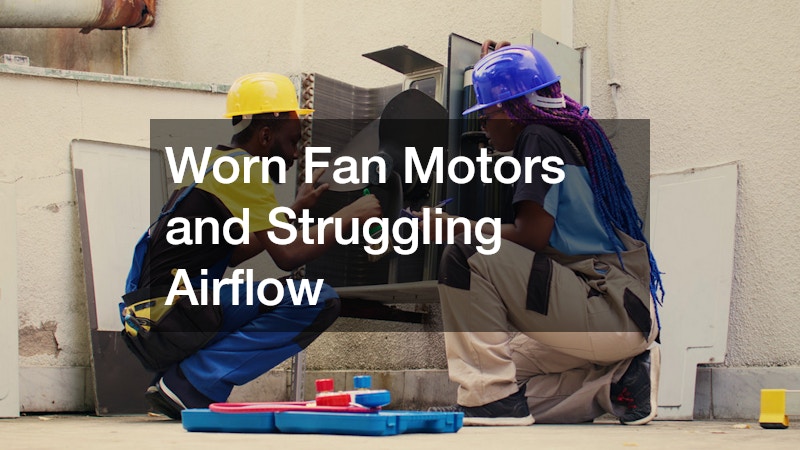
The blower and condenser fan motors are responsible for moving air across the coils and expelling heat outside, and worn motors have to spin harder to compensate for mechanical decline. This added electrical demand often appears months before the motor fails outright, showing up as a gradual creep in your monthly bill. A failing motor also tends to run hot, which can create a dangerous situation if not addressed, sometimes leading to emergency HVAC repairs when the strain finally causes a breakdown.
Bearings wear out, belts fray, and capacitors weaken over time, all of which force the motor to draw more current just to keep spinning. A qualified HVAC contractor can test motor amperage during a routine visit to catch this decline long before it becomes an emergency.
- Grinding or squealing near the outdoor unit often points to motor bearing wear.
- A burning smell from vents can indicate an overheating motor.
- Motors that stall and restart repeatedly are nearing the end of their lifespan.
Age-Related Efficiency Loss in Older Systems
Air conditioners typically lose efficiency as they age, even with perfect maintenance, simply because components degrade and technology improves over the years. A unit that is twelve to fifteen years old may be using significantly more electricity than a newer model to produce the same amount of cooling. This gradual decline is often mistaken for normal seasonal bill increases rather than recognized as a sign that the system is nearing the end of its life.
When repair costs start climbing alongside your electric bill, it may be time to consider a full AC install rather than continuing to patch an aging unit. Newer systems carry higher efficiency ratings that can dramatically reduce monthly operating costs while providing more reliable performance.
- Units over ten years old often run on outdated refrigerant standards.
- Frequent repairs in a single season are a strong signal of overall system decline.
- Energy efficiency ratings have improved substantially over the past decade.
Indoor Comfort Beyond Just Cooling
Electric bill spikes are not always purely about the compressor or fan motor; sometimes, indoor air quality issues force your system to work harder than it should. Excess humidity, for example, makes your AC feel like it is not cooling effectively, prompting you to lower the thermostat and increase runtime unnecessarily. Addressing these underlying comfort issues can ease the burden on your cooling system.
Many homeowners find that pairing their cooling system with air quality services, such as dehumidifiers or improved filtration, helps their AC run less while still keeping the home comfortable. This approach treats the root cause of discomfort rather than just asking the air conditioner to work harder.
- High indoor humidity can make a home feel warmer than the thermostat setting suggests.
- Poor filtration can circulate dust that clogs coils and reduces efficiency over time.
- Balanced humidity levels reduce strain on the compressor and lower energy use.
Knowing When to Call for Professional Help

If your electric bill has climbed steadily over the past few months without a clear explanation, it is worth scheduling a professional evaluation before the unit fails completely, especially during peak summer heat. A trustworthy HVAC company can run diagnostics that pinpoint exactly which component is driving up your energy use. Catching the issue early often means the difference between a minor repair and a costly breakdown at the worst possible time.
Choosing a local HVAC company gives you the advantage of faster response times and technicians familiar with the climate demands specific to your region. If your system stops cooling altogether on a dangerously hot day, a nearby team can typically get someone to your home much sooner than a distant provider juggling a wider service area. Many of these companies also offer maintenance plans that include seasonal tune-ups to help prevent unexpected spikes in your energy costs before they start.
- Request a full system diagnostic rather than a single-component check.
- Ask whether the contractor provides written estimates before any work begins.
- Keep records of past repairs to help technicians spot recurring patterns.
A spiking electric bill is rarely a coincidence; it is your air conditioner telling you something is wrong long before it stops working altogether. Paying attention to these warning signs and addressing them early can save you money, prevent a stressful breakdown, and extend the life of your system. If your bill has been creeping up without explanation, do not wait for a complete failure to take action. Scheduling a professional inspection now is the simplest way to protect both your comfort and your budget.