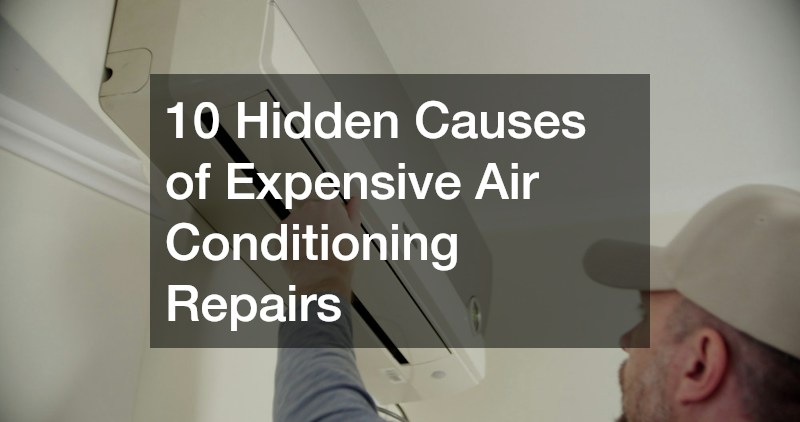
Air conditioning breakdowns rarely happen at convenient times. When cooling equipment fails during extreme summer heat, homeowners may face uncomfortable indoor temperatures, unexpected expenses, and difficulty scheduling repairs during peak demand. Although some breakdowns occur without warning, many expensive problems begin with smaller issues that develop gradually.
Restricted airflow, electrical deterioration, refrigerant leaks, drainage problems, and neglected maintenance can all interfere with cooling performance. Some issues originate within the equipment, while others are connected to insulation, ventilation, or conditions elsewhere in the home.
Understanding these hidden causes allows homeowners to recognize warning signs before minor problems become major failures. Regular inspections, basic maintenance, and timely professional service can help reduce unnecessary expenses while keeping cooling equipment operating reliably.
1. Replace Dirty Filters Before They Restrict Airflow
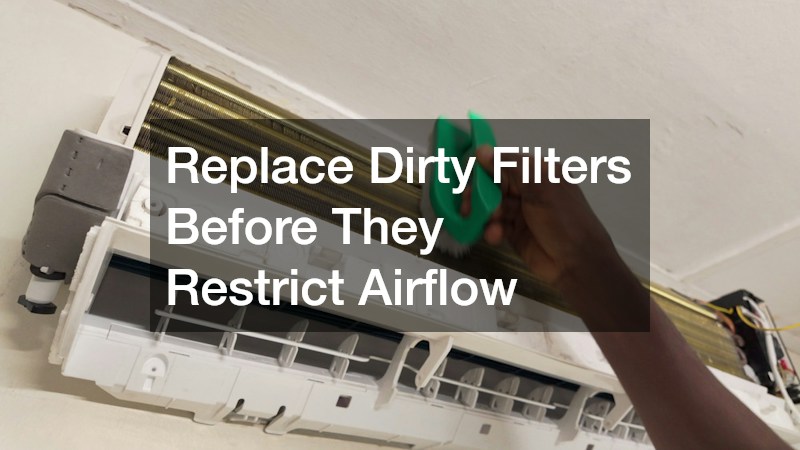
Air filters trap airborne particles as air circulates through the cooling system. Over time, accumulated dust, pet hair, and debris can restrict airflow, forcing equipment to operate under less favorable conditions.
When insufficient air passes over the evaporator coil, its temperature may drop below freezing. Ice can develop, reducing airflow further and preventing the system from cooling properly.
Warning signs include:
-
Weak airflow from supply vents
-
Longer cooling cycles
-
Uneven temperatures between rooms
-
Ice forming on refrigerant lines
-
Rising energy consumption
Inspect filters monthly, particularly during periods of heavy use. Replace disposable filters or clean reusable ones according to manufacturer recommendations. Homes with pets, ongoing renovations, or substantial airborne dust may require more frequent attention.
Filter selection also matters. A filter with excessive airflow resistance can create problems even when it is new.
If airflow remains weak or ice continues forming after basic maintenance, professional ac repair may be necessary. Technicians can evaluate the blower, evaporator coil, ductwork, and other possible restrictions.
Addressing airflow problems early can help prevent unnecessary stress on expensive cooling components.
2. Clear Debris and Vegetation Around Outdoor Equipment
The outdoor condenser plays an essential role in releasing heat collected from inside the home. To accomplish this, air must circulate freely through the condenser coil.
Leaves, grass clippings, dirt, and surrounding vegetation can gradually obstruct airflow. When the equipment cannot release heat efficiently, operating temperatures and pressures may increase.
This can place additional strain on the compressor and reduce cooling performance.
Homeowners should periodically inspect the area surrounding outdoor equipment and watch for:
-
Overgrown shrubs or landscaping
-
Grass clippings covering exterior surfaces
-
Leaves collecting around the equipment
-
Visible dirt accumulation
-
Unusual operating sounds
-
Longer cooling cycles
Maintain the clearances specified by the equipment manufacturer. Avoid stacking firewood, outdoor furniture, or other belongings around the unit.
Remove loose debris from the surrounding ground, but avoid opening electrical compartments or using aggressive cleaning methods that could damage delicate coil fins.
Local ac contractors can perform professional condenser cleaning and investigate problems involving excessive operating temperatures or reduced performance.
Keeping outdoor equipment unobstructed is a relatively simple maintenance habit that can help prevent avoidable operating strain.
3. Investigate Refrigerant Leaks Before Cooling Performance Declines
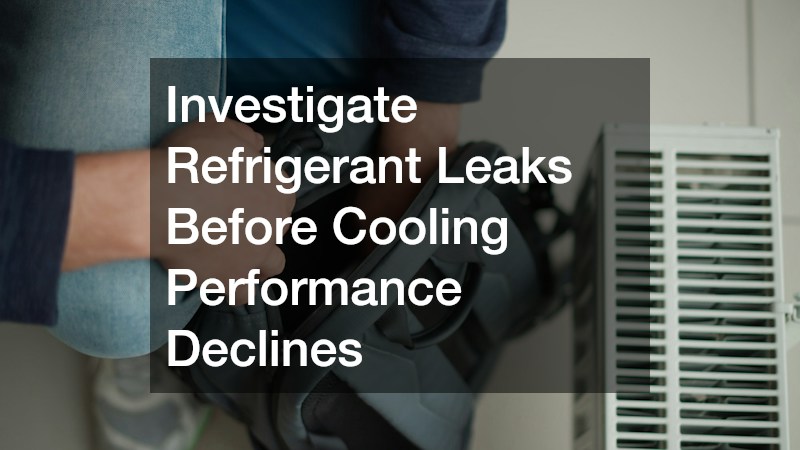
Refrigerant circulates through the cooling system, absorbing heat indoors and releasing it outdoors. In a properly functioning sealed system, refrigerant is not routinely consumed.
When refrigerant levels decline, a leak or another problem may be present.
Leaks can develop around connections, refrigerant lines, coils, or components affected by corrosion, vibration, or physical damage.
Common warning signs include:
-
Gradually worsening cooling performance
-
Extended operating cycles
-
Ice forming on refrigerant lines
-
Hissing sounds near equipment
-
Unexplained increases in energy use
Low refrigerant levels can disrupt heat transfer and contribute to abnormal system operation. Continuing to run equipment under these conditions may increase the risk of additional damage.
Simply adding refrigerant does not correct a leak. Without addressing the source, the system may eventually experience the same problem again.
Professional local ac repair technicians can use appropriate diagnostic equipment to identify leaks, assess whether components can be repaired, and restore the system according to manufacturer specifications.
Refrigerant handling requires properly certified professionals. Homeowners should avoid attempting to open refrigerant circuits or repair leaks themselves.
Prompt diagnosis is particularly important when cooling performance continues declining despite normal filter maintenance.
4. Check Electrical Components Before Small Faults Escalate
Air conditioning systems depend on several electrical components working together. Capacitors, contactors, wiring, motors, control boards, and safety devices all influence how equipment starts and operates.
Heat, vibration, age, corrosion, and repeated cycling can gradually affect these components.
A deteriorating capacitor, for example, may interfere with motor startup. Damaged connections can cause intermittent operation, while malfunctioning controls may prevent equipment from responding correctly.
Potential warning signs include:
-
Humming without successful startup
-
Frequent breaker trips
-
Intermittent shutdowns
-
Repeated clicking sounds
-
Outdoor fans failing to operate
-
Unusual burning odors
Electrical symptoms should never be ignored. Repeatedly resetting a tripped breaker without identifying the cause can create additional hazards.
Qualified HVAC contractors can test electrical components, inspect connections, evaluate motors, and determine whether one failing part has affected other equipment.
Electrical troubleshooting requires appropriate training and safety procedures. Homeowners should never open energized equipment or attempt to replace internal electrical components without proper qualifications.
Early diagnosis may allow an isolated fault to be corrected before additional system components become damaged.
5. Prevent Condensate Drainage Problems From Causing Water Damage
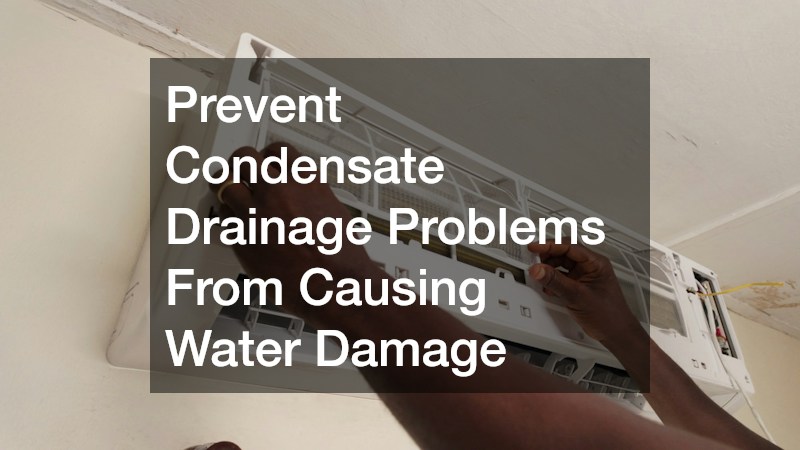
Air conditioners remove moisture from indoor air as part of the cooling process. Condensation collects near the evaporator coil and normally exits through a designated drainage system.
Over time, algae, sediment, and debris can accumulate inside condensate drain lines. Disconnected pipes, damaged drain pans, or improper drainage can also create problems.
When condensation cannot drain correctly, water may collect around indoor equipment or overflow into surrounding areas.
Warning signs include:
-
Water near the air handler
-
Musty odors around equipment
-
Damp ceiling or wall materials
-
Overflowing drain pans
-
Unexpected cooling system shutdowns
Some systems include safety switches designed to stop cooling when condensate reaches a certain level.
Although these devices can help limit water damage, the underlying drainage problem still needs attention.
Professional HVAC Service can address recurring blockages, damaged drainage components, and shutdowns associated with condensate problems.
Homeowners should visually inspect accessible areas and follow recommended maintenance instructions without disconnecting or modifying unfamiliar components.
Correcting drainage issues promptly helps protect drywall, flooring, insulation, and nearby structural materials.
6. Correct Thermostat and Control Problems Early
A thermostat tells the cooling system when to operate and when the selected temperature has been reached. If its readings or controls are inaccurate, the equipment may run too frequently, stop prematurely, or fail to maintain comfort.
Sometimes the problem is surprisingly simple. Incorrect schedules, depleted batteries, or accidental setting changes can create symptoms resembling equipment failure.
Other situations involve faulty sensors, wiring, or incompatible controls.
Signs worth investigating include:
-
Indoor temperatures differing from thermostat readings
-
Frequent starting and stopping
-
Unresponsive thermostat displays
-
Equipment running beyond the selected temperature
-
Inconsistent cooling throughout the home
Start by reviewing thermostat settings and replacing batteries when applicable. Make sure programmed schedules reflect actual household needs.
Thermostat placement also matters. Direct sunlight, nearby appliances, or other heat sources can influence temperature readings.
Local ac companies can test control wiring, check thermostat compatibility, and determine whether the problem involves the thermostat or another system component.
Accurate diagnosis helps prevent unnecessary equipment replacement when a comparatively limited control issue is responsible for poor performance.
7. Address Attic Heat and Roofing Problems That Increase Cooling Demand
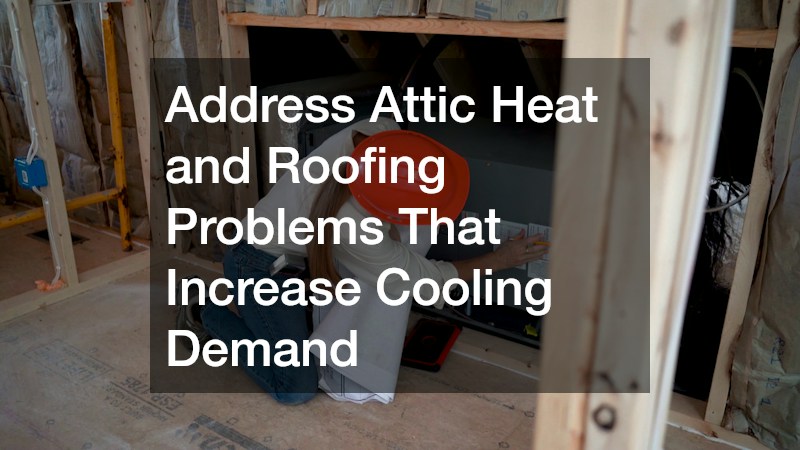
Not every cooling problem originates inside the air conditioner. Conditions involving the roof, attic, insulation, and building envelope can increase how much heat enters the home.
During summer, attic spaces can become extremely hot. Inadequate insulation or air leakage may allow that heat to affect occupied rooms, particularly upstairs bedrooms.
Roof leaks create additional concerns. Moisture can damage attic insulation, potentially reducing its effectiveness and contributing to indoor comfort problems.
Watch for:
-
Upper floors that remain unusually warm
-
Water-stained attic insulation
-
Visible roofing deterioration
-
Recurring attic moisture
-
Unusually long cooling cycles
A local roofer can evaluate damaged roofing materials, flashing, and potential water-entry points when moisture problems appear.
However, a hot attic does not automatically indicate a roofing defect. Insulation coverage, ventilation, air sealing, and equipment performance should be considered together.
Addressing building-envelope problems can reduce the amount of heat the cooling system must remove.
That may improve comfort without replacing equipment that is otherwise functioning correctly.
8. Evaluate Dirty Ductwork and Poor Indoor Airflow
Ductwork distributes cooled air throughout the home. When ducts are damaged, poorly connected, restricted, or inadequately sealed, conditioned air may not reach the intended rooms efficiently.
Air leakage into attics, basements, or crawl spaces can also waste cooling capacity.
Some homeowners immediately assume that dusty vents mean professional duct cleaning is necessary. However, visible dust alone does not establish that cleaning will improve system performance.
More meaningful warning signs include:
-
Weak airflow in specific rooms
-
Large temperature differences
-
Visible gaps or disconnected ducts
-
Damaged duct insulation
-
Persistent moisture-related odors
A professional assessment can determine whether duct sealing, repairs, airflow balancing, or another correction is appropriate.
Indoor air quality services may also address filtration, ventilation, humidity, and related concerns when those conditions affect the household environment.
Routine duct cleaning is not automatically necessary for every home. The appropriate solution depends on the actual condition of the system.
Correcting airflow restrictions and duct leakage can help cooling equipment distribute conditioned air more effectively.
9. Investigate Short Cycling and Improper Equipment Sizing
Short cycling occurs when cooling equipment repeatedly starts and stops without completing normal operating cycles.
Several issues can cause this behavior, including electrical faults, thermostat problems, restricted airflow, refrigerant concerns, or improperly sized equipment.
An oversized system may cool the air rapidly and shut down before providing consistent temperature distribution or adequate dehumidification.
An undersized system may struggle to meet demand during unusually hot conditions.
Warning signs include:
-
Repeated short operating cycles
-
Uneven room temperatures
-
Persistent indoor humidity
-
Frequent system startups
-
Difficulty maintaining the selected temperature
Frequent cycling can increase wear on components involved in starting and stopping.
Experienced air conditioning contractors can evaluate equipment capacity, ductwork, controls, and actual building cooling requirements.
When replacement becomes necessary, professional load calculations help determine appropriate equipment sizing.
Choosing a larger unit simply because the previous system struggled is not always the correct solution. Insulation, air leakage, and airflow problems should also be considered.
Proper sizing supports more consistent comfort and helps equipment operate as intended.
10. Stop Skipping Preventative Maintenance Until Something Breaks
Many expensive cooling failures involve more than one developing problem. A dirty filter may reduce airflow while a contaminated condenser increases operating pressure. Electrical deterioration or drainage problems can create additional complications.
Regular maintenance provides opportunities to identify these concerns before they interrupt cooling.
A professional inspection may include:
-
Checking system airflow
-
Evaluating electrical components
-
Inspecting condensate drainage
-
Examining accessible coils
-
Testing equipment operation
-
Reviewing unusual noises or cycling patterns
Scheduling maintenance before peak summer demand can also provide more flexibility when repairs are necessary.
Reputable HVAC companies can document equipment condition, identify concerns requiring attention, and explain whether repairs or eventual replacement should be considered.
Keep maintenance records, warranty documents, and previous repair information together. These records can help technicians understand recurring problems and evaluate system history.
Preventative maintenance cannot guarantee that equipment will never fail. Components eventually wear out, and unexpected damage can still occur.
However, consistent inspections and timely repairs can reduce some avoidable risks and make maintenance expenses easier to anticipate.
Take Action Before Small Problems Become Expensive
Expensive cooling repairs often begin with problems that seem minor at first. Restricted airflow, electrical deterioration, refrigerant leaks, blocked drainage, and control issues can gradually interfere with equipment performance.
Conditions elsewhere in the home may also contribute to excessive cooling demand. Insulation problems, air leakage, and damaged ductwork can make otherwise functional equipment work harder to maintain comfortable temperatures.
Homeowners should monitor changes in cooling performance, operating sounds, energy consumption, and system cycling throughout the season. Basic tasks such as checking filters and keeping outdoor equipment unobstructed can support reliable operation.
Technical repairs involving refrigerants, electrical systems, and internal components should always be handled by qualified professionals.
Establishing a regular maintenance schedule and responding promptly to warning signs can help reduce unexpected expenses, support consistent comfort, and protect the long-term performance of your cooling system.